
'Sunflower Boys' by Sam Wachman
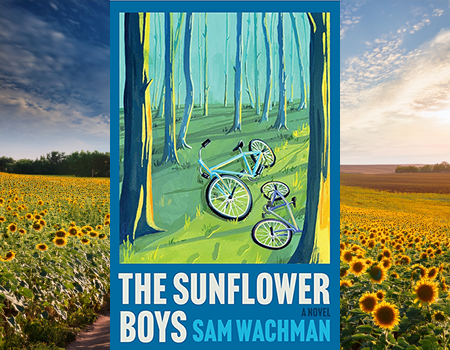
Author: Sam Wachman
Rating: A+
Vibe: A devastating, essential debut that earns every ounce of its emotional weight
Some books you recommend. Others you press into people's hands and say: read this. The Sunflower Boys is the latter. Sam Wachman's debut novel is a study in contrasts so sharp they leave you breathless—innocence and horror, tenderness and brutality, the ordinary rhythms of family life and the shattering force of war. It's one of the best books I've read in years, and the fact that it comes from a twenty-five-year-old author writing his first novel is almost incomprehensible.
The story centers on two boys growing up in Ukraine, Artem and his younger brother, Yuri. Wachman takes his time letting us fall in love with their world before he tears it apart. You're there for the small, sacred moments of childhood: staying up past bedtime to watch scary movies they know will give them nightmares, fishing trips with grandpa, the quiet passing down of keepsakes and stories across generations. You witness the first flutter of young love as Artem develops feelings for his best friend, Viktor, and the sting of first heartbreak. You see a neighborhood of families raising children together, a community held together by proximity and care. The writing in these early sections is deceptively simple—spare, precise, unhurried—but it builds something profound. Wachman doesn't need ornate prose to transport you. He makes you live there.
And then Russia invades.
What follows is a portrait of devastation that never once feels exploitative. This isn't trauma porn. Wachman earns every gut-punch through the weight of what came before—we feel the loss so acutely because we loved what was lost. A twelve-year-old boy who once worried about nightmares from horror movies is forced to confront horrors no child should ever face. The family that passed down traditions across generations is torn apart. The neighbors who raised their children side by side watch as a different kind of neighbor destroys everything they built together.
The pacing is remarkable. Even in the gentler early sections, the writing stays taut and purposeful—each detail feels chosen, nothing wasted. And when the war arrives, Wachman doesn't let the narrative sprawl into chaos. He keeps his focus tight, his prose controlled, which somehow makes the horror land harder. It’s beautiful in its own restrained, devastating way.
For gay readers, there's an added layer of recognition woven through the story. Wachman writes with the understated knowing of someone who understands what it feels like to sense, even as a child, that you might be different from the boys around you. That thread isn't the center of the novel, but it's essential to it—part of the fabric of this boy's inner life, treated with the same care and authenticity as everything else.
I don't want to say more about the plot. There are moments in this book that will stay with me for a long time, and you deserve to encounter them without warning. What I will say is this: The Sunflower Boys is the rare novel that feels both timely and timeless. It's a book about a war that is still happening, written with the clarity and compassion. It will sit with you. It should sit with everyone.
This is an instant classic. Read it.


